
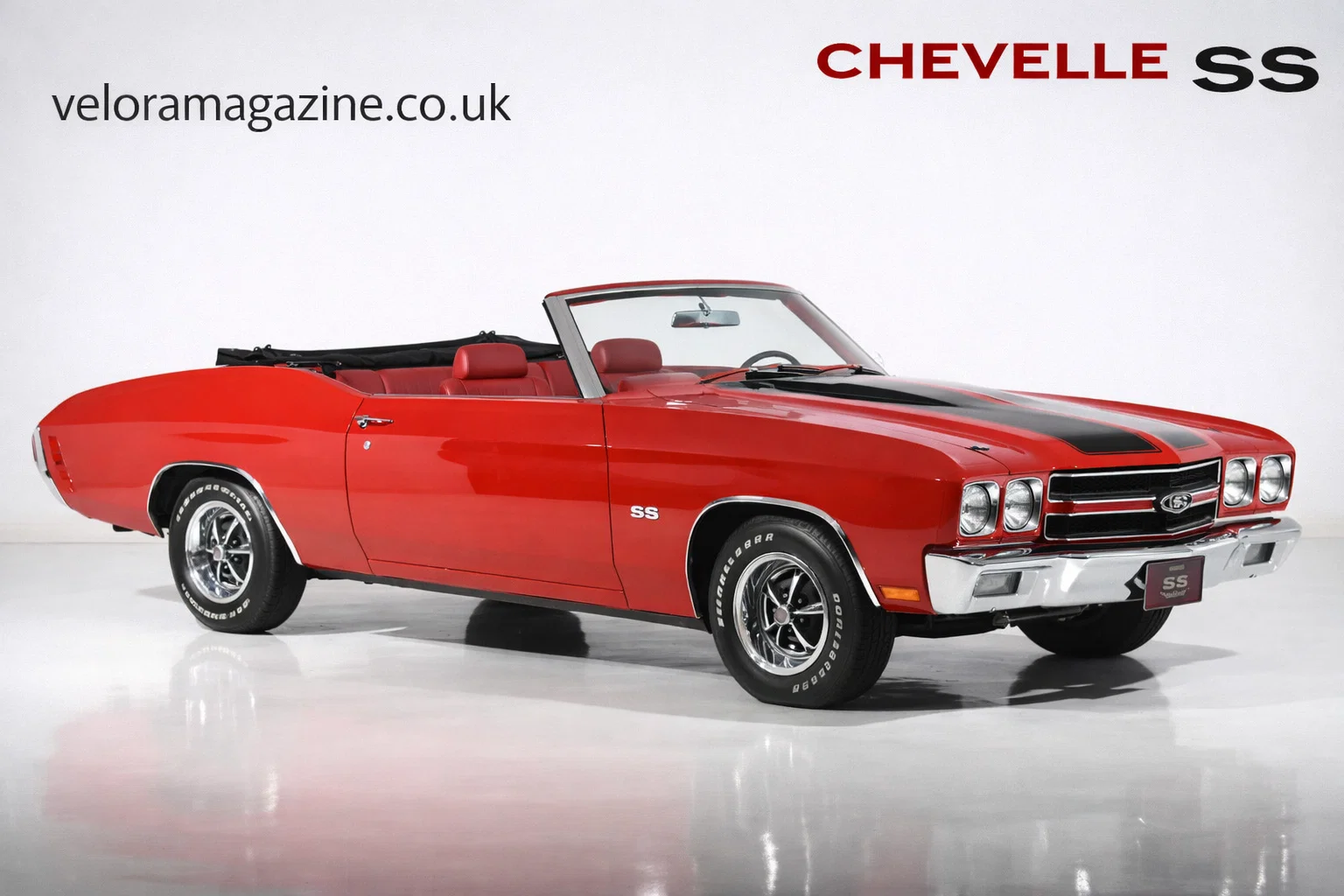
Introduction to the Chevelle SS
The Chevelle SS, a muscle car that resonates deeply within the annals of American automotive history, was introduced by Chevrolet in the mid-1960s. This high-performance variant of the Chevelle, which was initially launched in 1964, quickly gained prominence, marking its significance not just as a vehicle but as a symbol of the muscle car era. Developed during a time when American consumers were seeking power and performance at an accessible price, the Chevelle SS emerged to meet and exceed these expectations.
The SS, standing for Super Sport, was designed to deliver exhilarating performance with its performance-oriented features, including enhanced engines and sporty styling. Available in various configurations, the Chevelle SS offered options ranging from a robust V8 engine to upgraded suspension systems, effectively turning it into a formidable contender on both the street and the racetrack. The introduction of the 396 cubic inch V8 engine in 1965 was a significant milestone, providing drivers with impressive horsepower and acceleration which solidified the SS’s reputation among enthusiasts.
Design Features of the Chevelle SS
The Chevelle SS, an emblem of American muscle, is renowned for its striking design elements that continue to captivate automobile enthusiasts. From its robust structure to the carefully selected color palette, the design of the Chevelle SS significantly contributed to its cult status. The vehicle was available in various body styles, with the most notable being the coupe, convertible, and four-door sedan, each presenting a distinctive character that appealed to a wide range of customers. The classic muscle car silhouette boasts a long hood and short deck, enhancing its aggressive stance on the road.
The Chevelle SS’s exterior was often adorned with iconic design features such as bold racing stripes, dual hood scoops, and unique badging, which collectively emphasized its high-performance lineage. The iconic front grille, coupled with the powerful headlights, not only served functional purposes but also augmented the vehicle’s aggressive aesthetic. Available in an array of colors, from vibrant reds to sleek metallic blues, each Chevelle SS could be tailored to the owner’s preferences, allowing for personalization that stood out in any setting.
Moreover, the interior design of the Chevelle SS complemented its exterior flair. With optional bucket seats and upscale instrumentation, the cockpit provided a blend of comfort and sportiness. The carefully arranged dashboard, featuring gauges that provided crucial performance metrics, reinforced the driving experience synonymous with the Chevelle SS. These design choices, all meticulously crafted, not only enhanced the aesthetic appeal of the Chevelle SS but also contributed to the emotional connection drivers have with this classic muscle car, cementing its legacy in automotive history.
Performance Specifications
The Chevelle SS, a classic muscle car, is celebrated not only for its aggressive styling but also for its impressive performance specifications that have made it a formidable competitor on both the street and racing circuits. Introduced in the 1960s, the Chevelle SS was available with a range of powerful engines, each providing a distinct thrill to drivers and car enthusiasts alike.
One of the notable engines offered was the 396 cubic inch V8, which generated a remarkable output of 325 horsepower. This powerplant allowed the Chevelle SS to achieve acceleration times that were competitive for its time, enabling the car to go from 0 to 60 miles per hour in under seven seconds. For those who sought even more performance, the option of the 427 cubic inch V8 pushed the limiting performance boundaries, producing as much as 435 horsepower. The higher horsepower ratings translated into exhilarating speed capabilities that made the Chevelle SS a favorite at drag strips.
In addition to its engine specifications, the Chevelle SS featured advanced handling capabilities that set it apart from many of its contemporaries. The suspension system was finely tuned for performance, offering both stability and responsive handling. This attention to detail not only enhanced the driving experience but also contributed to the Chevelle SS’s ability to navigate corners with confidence, which was crucial for both street driving and racing scenarios.
Through the years, the combination of powerful engines and well-thought-out performance mechanisms ensured the Chevelle SS remained a relevant player in the muscle car arena. Each variant catered to a demographic seeking speed, style, and reliability, solidifying the Chevelle SS’s legacy as an iconic performance vehicle.
The Chevelle SS in Popular Culture
The Chevelle SS has long been an emblematic figure in American popular culture, representing both performance and the spirit of rebellion. Its sleek design and powerful engine options have made it a favorite among car enthusiasts and a prominent symbol in various media forms, particularly film and music.
One of the most notable examples of the Chevelle SS’s cultural significance is its frequent appearances in cinema. This classic car has graced the silver screen in numerous films, becoming synonymous with the rebellious teenage spirit of the 1960s and 1970s. Movies like “Bullet” and “The Fast and the Furious” franchise showcase the Chevelle SS as a vehicle that embodies speed, power, and freedom. Its presence in these films has solidified its status as a quintessential American muscle car, making it a sought-after collectible by car aficionados.
Furthermore, the Chevelle SS holds a significant place in the realm of music, particularly within rock and roll and country genres. Lyrics celebrating the Chevelle SS often reference its powerful engine and status as a classic muscle car. Songs from artists like George Jones and the Red Hot Chili Peppers depict the Chevelle SS as an expression of youth, defiance, and an appreciation for American craftsmanship. This association with music not only highlights the car’s impact on cultural identity but also connects it with themes of independence and adventure.
Television shows have also contributed to the Chevelle SS’s legacy, with appearances in series such as “Supernatural,” where characters drive the Chevelle SS as a symbol of their journey and the struggles they face. This connection to storytelling enhances the narrative of the Chevelle SS as more than just a car; it embodies the ideals of freedom and exploration that resonate across generations.
Enthusiast Communities and Restoration
The Chevelle SS has garnered a robust following, leading to the establishment of vibrant communities dedicated to these classic vehicles. Enthusiasts come together through various channels—online forums, social media groups, and local car clubs—where they share their passion for the Chevelle SS. These communities serve as invaluable resources for advice on restoration projects, maintenance tips, and buying or selling vehicles.
Within these networks, members often showcase their Chevelle SS restorations, detailing the challenges and triumphs of the process. Restoration not only involves mechanical work but also encompasses finding authentic parts to ensure the integrity of the vehicle. Enthusiasts frequently discuss techniques for maintaining the power and performance that define the Chevelle SS while preserving its historical significance.
Moreover, events such as car shows and meet-ups provide a platform for collectors and enthusiasts to display their Chevelle SS models. These gatherings foster camaraderie and knowledge exchange among owners, enriching the community experience. Many members organize workshops to teach skills like bodywork, engine rebuilding, and painting, ensuring that the craftsmanship associated with the Chevelle SS lives on through new generations.
Buying and selling within the community can be an insightful process, with aficionados keen on ensuring fair pricing and proper representation of a vehicle’s condition. Enthusiasts often rely on one another’s experiences to navigate this process effectively, leading to informed decisions that respect the legacy of the Chevelle SS. The input from long-time collectors can guide newcomers through the intricacies of acquiring vintage models, making it less daunting.
In conclusion, the passion surrounding the Chevelle SS has cultivated a thriving community dedicated to preserving its legacy. Through collective efforts, enthusiasts not only maintain the allure of these classic cars but also cultivate a rich culture that celebrates automotive history.
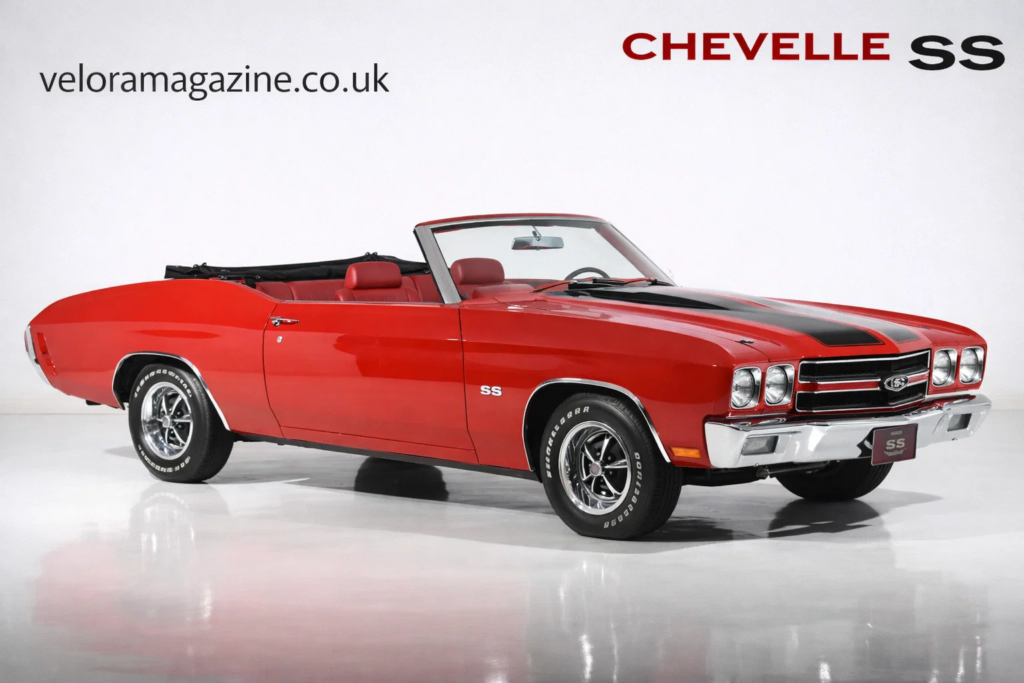
The Evolution of the Chevelle SS Through the Years
The Chevelle SS, introduced by Chevrolet in 1964, quickly garnered a reputation for its powerful performance and striking design. Initially marketed as a mid-sized family car, the SS (Super Sport) variant distinguished itself with enhanced engine options, sportier aesthetics, and a commitment to performance. Over the years, the Chevelle SS evolved significantly, reflecting changing automotive trends, technological advancements, and consumer preferences.
In the late 1960s, the Chevelle SS reached its peak with the introduction of the SS396 model, equipped with a formidable 396 cubic inch V8 engine. This era marked a high point in muscle car history, as the Chevelle SS showcased not only speed but also aggressive styling, featuring a distinctive hood scoop, racing stripes, and an optional vinyl roof. The 1970 model year introduced the SS454, which boasted even more power and performance, solidifying the Chevelle SS’s reputation as a muscle car icon.
However, the 1970s brought challenges as emissions regulations and fuel economy standards began to shape the automotive landscape. The Chevelle SS underwent significant changes aimed at meeting these new demands. By the mid-1970s, the once-brawny muscle car began to adopt a more subdued design with less emphasis on raw power. The SS package was offered on a variety of models, but the performance level gradually declined, leading enthusiasts to lament the loss of the SS’s former glory.
As the production of the Chevelle SS came to an end in the early 1980s, it left behind a legacy of innovation in both design and performance. The Chevelle SS not only paved the way for future American muscle cars but also cemented its place in automotive history. Today, classic Chevelle SS models are highly sought after by collectors and enthusiasts, a testament to the enduring allure of this remarkable automobile.
Collectability and Market Trends
The Chevelle SS remains one of the most desirable muscle cars in the classic automotive market, primarily due to its iconic design and performance capabilities. Its collectability is significantly influenced by several key factors, including rarity, condition, and provenance. Certain model years, such as the 1970 Chevelle SS, are particularly sought after by enthusiasts and collectors alike, often commanding higher prices due to their limited production and high-performance reputation.
Market trends indicate that the value of Chevelle SS vehicles has been on the rise, especially in the wake of a revival of interest in classic American muscle cars. Auctions and online marketplaces have seen increased sales of well-preserved specimens, which can fetch prices that reflect both nostalgia and investment potential. When gauging the market landscape, it is essential to consider external factors such as economic conditions, the popularity of classic cars, and the ongoing interest in the automotive culture surrounding the Chevelle SS.
Additionally, restorations play a crucial role in the collectability of the Chevelle SS. Vehicles that have been restored to their original specifications or even upgraded with modern performance enhancements can appeal to a broader audience. However, originality often carries significant weight in value determinations, creating a fine balance for current owners wanting to maintain their investments. Documentation of repairs, restorations, and ownership history enhances desirability, allowing buyers to feel more confident in their purchases.
In conclusion, the Chevelle SS exemplifies not only a milestone in automotive manufacturing but also holds a prominent place in collector circles. Understanding the nuances of collectability and observing market trends can help current and prospective owners make informed decisions regarding buying or selling these remarkable vehicles.
Comparison with Other Muscle Cars
The Chevelle SS has often been regarded as one of the most compelling vehicles in the American muscle car landscape, particularly during the late 1960s and early 1970s. When compared to its contemporaries, such as the Ford Mustang, Dodge Charger, and Pontiac GTO, the Chevelle SS presents a unique combination of power, design, and cultural significance.
Performance-wise, the Chevelle SS was a formidable contender. Its range of V8 engines, notably the legendary 454 cubic inch version, offered ample horsepower and torque, enabling it to compete fiercely with the Dodge Charger, which was acclaimed for its aggressive styling and powerful performance. While the Mustang initially dominated the market with its lighter frame and spirited small-block engines, the Chevelle SS carved out a niche for buyers seeking a more robust and spacious muscle car without compromising on raw power.
In terms of design, the Chevelle exhibited a classic muscle car silhouette characterized by a broad stance and an aggressive front end. This aesthetic appeal was matched by the Pontiac GTO, which is often credited with creating the muscle car genre. However, the Chevelle SS distinguished itself with its sleek lines and detailed finishing that resonated with performance enthusiasts of the era. Additionally, the cultural significance of these vehicles cannot be understated; the Chevelle SS became synonymous with muscle car culture, embodying the ethos of speed and rebellion during a transformative period in American history.
Ultimately, while each of these muscle cars brings its own strengths and fanfare, the SS stands out with its balance of performance, style, and cultural impact. Its legacy persists today, making it a sought-after classic among collectors and enthusiasts.
Conclusion: The Chevelle SS’s Lasting Legacy
The Chevele SS is more than just a vehicle; it is a symbol of American muscle car heritage that has left an indelible mark on automotive history. First introduced in the mid-1960s, the Chevele SS quickly became renowned for its powerful performance and bold styling, captivating a generation of automotive enthusiasts. Throughout its production years, this iconic car evolved in design and technology, but it consistently represented raw power and speed.
As we reflect on the legacy of the Chevele SS, it is clear that its impact transcends the mere specifications of horsepower and torque. The Chevelle has fostered a devoted community of fans and collectors who celebrate its significance through restorations and car shows. Its design and engineering laid the groundwork for future muscle cars, influencing an entire segment of the automotive industry that continues to thrive today.
The Chevelle serves not only as a nostalgic reminder of American automotive excellence but also as a benchmark against which many performance vehicles are measured. Its blend of style, power, and craftsmanship has earned it a revered place in car culture, ensuring its status as an enduring icon. Even decades after it ceased production, the allure of the Chevele SS persists, as evidenced by its continued presence in automotive media and enthusiast gatherings.
In conclusion, the Chevele SS stands as a testament to a bygone era of American engineering and design. Its legacy continues to inspire new generations of car enthusiasts and serves as a reminder of the thrill associated with high-performance vehicles. The Chevelle is not just a car; it is a benchmark of automotive artistry that will forever occupy a prominent place in the hearts of those who admire muscle cars.
READ MORE: https://veloramagazine.co.uk/
