
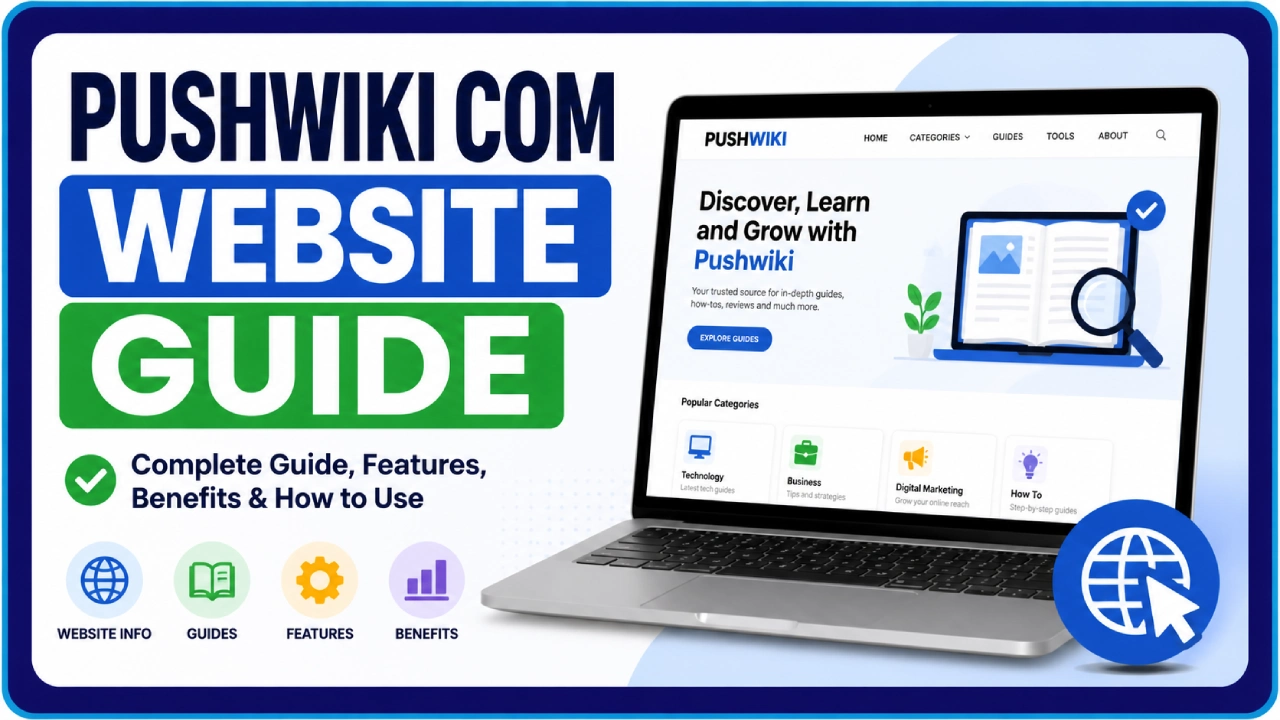
What is Pushwiki?
Pushwiki is an innovative digital platform designed to facilitate the sharing and collaborative building of knowledge. Established in response to the increasing need for an efficient means of disseminating information, Pushwiki integrates social media concepts with collaborative editing functionalities, enabling users to create, edit, and share content collectively.
The origins of Pushwiki can be traced back to the growing demand for collaborative knowledge sharing among individuals, educators, and organizations. It was envisioned as a space where users could contribute their expertise, research, and insights freely, fostering an environment of open learning. This platform not only allows participants to engage with one another but also enhances the accessibility of diverse information sources, which is vital in today’s fast-paced digitized world.
The primary functionality of Pushwiki revolves around its user-friendly interface that encourages contributions from a wide array of users. Members can post articles, edit existing entries, and engage in discussions surrounding various topics. The rich array of features includes real-time editing, commenting systems, and integration of multimedia content, which collectively enrich the quality of information available on the platform. Through these collaborative efforts, Pushwiki stands out as a substantial resource in the digital information ecosystem, promoting not only individual learning but also collective intelligence and discourse.
In essence, Pushwiki serves as a modern conduit for knowledge transfer, bridging gaps between traditional learning methods and contemporary digital practices. Its significance lies in the empowerment of users to harness their collective skills and knowledge, ultimately leading to an enriched global understanding of various subjects.
Key Features of Pushwiki
Pushwiki is an innovative platform that integrates a multitude of features designed to enhance user interaction and content management. One of the standout functionalities of Pushwiki is its real-time editing capability. This allows users to collaborate seamlessly, making changes and seeing updates instantaneously, which is particularly beneficial for teams working on joint projects. The ability to edit in real-time reduces communication barriers and fosters a more efficient workflow.
Another prominent feature of Pushwiki is its community-driven content model. This approach encourages users to contribute knowledge, thereby broadening the scope of information available on the platform. The community aspect cultivates a sense of ownership among users, motivating them to participate actively in content creation and editing. As a result, users can access a diverse array of topics, often enriched by multiple perspectives and expert insights.
Pushwiki also supports media uploads, enabling users to attach images, videos, and other file types to their articles. This feature not only enhances the visual appeal of the content but also aids in illustrating complex ideas more effectively. By incorporating multimedia elements, users can create a more engaging learning experience that resonates with audiences and improves comprehension.
Furthermore, the platform is designed with searchability in mind, facilitating easy navigation through its vast library of user-generated content. This feature is particularly important as it allows users to find specific information quickly, enhancing productivity and user satisfaction. With a powerful search engine, Pushwiki ensures that content is easily accessible, making it a reliable resource for anyone seeking knowledge.
How Pushwiki Works
Pushwiki operates on a user-centric model designed to foster community engagement and collaborative content development. To begin utilizing the platform, users must first complete a simple registration process. This typically involves providing basic personal information and creating a unique username and password. Once registered, users gain access to an array of features that facilitate content creation and sharing.
Content creation on Pushwiki is relatively straightforward. Users can write articles, create pages, and edit existing ones through an intuitive editor interface. This editor allows users to format text, add images, and include links, making it easy to enrich the content quality. Pushwiki promotes collaborative authorship by enabling multiple contributors to work on a single article simultaneously, which significantly enhances the breadth of information available on the platform.
Navigation on Pushwiki is designed with user-friendliness in mind. New users will find a structured layout that includes clear menus and categories. The homepage features popular articles and a search function that allows users to quickly locate specific topics of interest. Additionally, there are tutorials and guides readily accessible to help first-time users familiarize themselves with the platform’s functionalities.
The collaboration tools available on Pushwiki further promote collective knowledge development. Users can leave comments, suggest edits, and engage in discussions regarding content, fostering an environment of transparency and cooperation. This collaborative essence is what sets Pushwiki apart, facilitating not only individual expression but also the collective enhancement of shared information.
Benefits of Using Pushwiki
Pushwiki presents numerous advantages for both individuals and organizations seeking to optimize their collaborative efforts and knowledge-sharing processes. At the core of these benefits is the platform’s ability to facilitate seamless collaboration among users. Traditional methods of collaboration often involve multiple emails, fragmented information, and cumbersome file-sharing processes. In contrast, Pushwiki streamlines this by providing a single interface where users can collaboratively edit documents, share insights in real time, and access a comprehensive archive of information, thereby enhancing productivity.
Another significant benefit of Pushwiki is its accessibility. The platform can be accessed from a variety of devices, allowing users to contribute and gather information regardless of their location. This level of accessibility not only boosts participation from team members but also ensures that critical information is available when it is most needed. By eliminating geographical and temporal barriers, Pushwiki empowers users to engage with the collective knowledge base efficiently.
Moreover, contributing to a collective knowledge base is a fundamental aspect of Pushwiki that sets it apart from conventional platforms. Each user has the opportunity to add valuable insights and information, which enriches the overall content available on the platform. This inclusivity fosters a culture of continuous learning and shared expertise, encouraging individuals to actively participate in the growth of knowledge. Overall, using Pushwiki not only enhances individual contributions but also promotes a sense of community among users striving toward a common goal of improved learning and understanding.
Use Cases for Pushwiki
Pushwiki has emerged as a versatile platform that caters to a wide range of use cases across various sectors. In educational institutions, for example, Pushwiki can be leveraged as a collaborative tool where students and instructors come together to create a shared knowledge base. This allows for the effective organization of course materials, notes, and project resources, fostering an environment of collaborative learning. By utilizing Pushwiki, educational entities can enhance student engagement and improve access to valuable resources.
In the realm of research, organizations focusing on collaborative studies can significantly benefit from Pushwiki’s capabilities. Researchers can utilize the platform to document their findings, share data, and collaborate on different phases of their projects in real time. The ability to easily update information and include references makes Pushwiki an invaluable tool for fostering transparency and accessibility in academic and professional research.
Furthermore, communities that aim to share specialized knowledge can also leverage Pushwiki effectively. For example, a group centered around a specific hobby or interest can use the platform to pool resources, exchange best practices, and create a centralized repository of information that is easily navigable. Pushwiki empowers these communities to maintain their knowledge consistently, providing a space for growth and exploration within their fields of interest. By integrating Pushwiki into their knowledge management strategies, communities can enhance their engagement and ensure that information remains current and easily accessible.
Pushwiki vs. Other Collaborative Platforms
Pushwiki is often compared to other well-known collaborative platforms, such as Wikipedia and Google Docs. Each of these platforms has unique features that cater to distinct user needs, making the choice between them crucial based on the context of use.
Wikipedia is a globally recognized encyclopedia that allows users to create and edit articles, primarily focusing on sharing knowledge with an encyclopedic tone. While Wikipedia shines in terms of crowd-sourced information and extensive reach, its rigid editorial policies may deter users seeking less formal engagement. Moreover, the lack of immediate live collaboration can be a disadvantage for groups that require real-time adjustment during the writing process.
In contrast, Google Docs fosters a more informal and user-friendly environment, enabling real-time collaborative editing among team members. This platform is particularly suitable for documents requiring frequent modifications, privacy options, and personalized access. However, while Google Docs excels in flexibility and ease of use, it often lacks the community-driven aspect that defines platforms like Pushwiki.
Pushwiki integrates the strengths of both Wikipedia and Google Docs, offering a structured yet collaborative space for users to create content. Unlike typical document editors, it emphasizes community contributions while maintaining user-friendly editing features. Its focus on enhancing cooperative efforts sets it apart, allowing users to build comprehensive knowledge bases with relative ease. Moreover, it encourages interactive participation, establishing a vibrant community that may not be as pronounced in the confines of traditional encyclopedic models.
Ultimately, the choice between Pushwiki, Wikipedia, and Google Docs depends largely on the specific needs of the user. For collaborative efforts requiring real-time contributions blended with community engagement, it presents itself as a robust tool that effectively bridges the gap between authoritative knowledge sharing and personal collaboration.
Community and Support in Pushwiki
The strength of Pushwiki largely lies in its robust community and the support that users provide to one another. The collaborative environment fosters interaction among users, allowing them to share knowledge, experiences, and insights. This sense of community is further reinforced by various user forums, where individuals can pose questions, share solutions, and engage in discussions about content creation and management on the platform.
One such forum dedicated to Pushwiki serves as a central hub for users to connect and collaborate. Here, members can seek assistance with technical issues, request guidance on best practices, or simply exchange ideas. These forums not only provide a space for resolving conflicts or misunderstandings but also encourage camaraderie amongst users who are passionate about enhancing their content while utilizing it.
Additionally, Pushwiki offers comprehensive help documentation that serves as an essential resource for users at all skill levels. This documentation covers a wide array of topics, including the basics of content creation, advanced editing techniques, and strategies for effective collaboration. Users can find step-by-step guides, FAQs, and community-generated content that help demystify the sometimes complex features of it.
Connecting with fellow users is facilitated through various online channels, such as social media groups and discussion platforms, that extend beyond traditional support forums. This interconnectedness allows Pushwiki users to tap into a broader network of knowledge and expertise, enriching the overall user experience and promoting growth within the community. Engaging with peers enables users not only to seek assistance but also to contribute their own insights, thereby fostering a culture of mutual support and continuous learning.
Getting Started with Pushwiki: A Step-by-Step Guide
Embarking on your journey with Pushwiki can be both exciting and overwhelming for newcomers. To facilitate a smooth introduction, this guide will provide comprehensive steps for creating an account, contributing content, and navigating the platform effectively.
To begin, visit the official website and locate the registration section. Here, you will need to provide essential information, such as your email address and a password. After submitting your details, an activation link will be sent to your email. It is crucial to follow the link to verify your account, ensuring full access to it’s features.
Once your account is activated, log in to Pushwiki. You will find an intuitive interface designed to enhance user experience. Familiarize yourself with the dashboard, which typically includes sections for profile management, content contributions, and community interactions. It is advisable to update your profile, as this enables other users to connect with you based on shared interests.
When it comes to contributing content, Pushwiki allows users to create articles, edit existing ones, and engage with various topics. To add new content, locate the ‘Create’ button, which guides you through a structured format for article submission. Before publishing, ensure that your revisions are thorough and align with it’s community guidelines.
Moreover, exploring existing articles on Pushwiki can greatly enhance your understanding of the platform’s scope and depth. Engaging with this content enables you to identify themes, writing styles, and formatting practices that are commonly utilized. Embrace the opportunity to join discussions and collaborate with other contributors, as this will enhance your experience and expand your knowledge.
In summary, getting started with IT requires a straightforward approach, focusing on account creation, content contribution, and community engagement. By taking these steps and leveraging the resources available, you can maximize your experience on the platform.
Future of Pushwiki
The landscape of digital content creation is continuously evolving, and platforms like Pushwiki are positioned to play a pivotal role in this transformation. As collaborative content creation becomes more prevalent, Pushwiki is likely to enhance its features to accommodate an expanding user base and broader range of content types. By fostering a more inclusive environment, Pushwiki can encourage diverse contributions, enriching the collective knowledge shared on its platform.
One trend that is emerging is the integration of advanced technologies such as artificial intelligence and machine learning. These tools can facilitate better content curation and personalization, potentially allowing itto offer tailored content recommendations to users based on their interaction history and preferences. Additionally, AI could assist in verifying information, enhancing the credibility of the content shared on Pushwiki.
Moreover, as remote collaboration becomes increasingly mainstream, Pushwiki can further develop its tools to support real-time editing and communication among contributors. This would not only improve the efficiency of content creation but also foster a stronger sense of community among users, leading to more robust knowledge sharing.
Furthermore, with the growing importance of accessibility in digital platforms, it is anticipated that it will focus on making its interface and functionalities more user-friendly, catering to individuals with varying levels of technical proficiency. This inclusivity will ensure that knowledge sharing is not limited to a specific demographic but is available to a wider audience.
In conclusion, the future of Pushwiki appears promising as it adapts to the changing dynamics of collaborative content creation. By leveraging technology, enhancing user experience, and fostering community engagement, it can solidify its role as a valuable platform for knowledge sharing in the years to come.
READ MORE :VELORAMAGAZINE.CO.UK
