
Introduction to Trump Tariffs
Trump tariffs are taxes imposed by a government on imported goods, serving as a means to regulate foreign trade and protect domestic industries. The implementation of what is commonly referred to as “Trump tariffs” began during the administration of former President Donald Trump, marking a significant shift in the United States’ trade policy. These tariffs were enacted with the objective of addressing perceived trade imbalances and safeguarding American jobs.
The rationale behind the Trump tariffs stemmed primarily from concerns over the United States’ trade deficit, particularly with China, which had been widely criticized for allegedly unfair trade practices. The administration aimed to level the playing field for American manufacturers by making imported goods more expensive, thereby encouraging consumers to favor domestically produced products. By imposing higher tariffs on a range of goods, including steel, aluminum, and various consumer products, the Trump administration intended to bolster U.S. industries and stimulate job creation within the country.
Moreover, these tariffs were not merely a fiscal measure but part of a broader economic policy aimed at renegotiating international trade agreements deemed unfavorable to American interests. The administration argued that such tariffs would compel trade partners to enter negotiations for more equitable agreements. However, this approach led to significant international tensions, with retaliatory tariffs imposed by various countries in response, further complicating global trade dynamics.
The impact of the Trump tariffs has been a subject of considerable debate among economists, policymakers, and consumers alike. While some sectors experienced temporary relief from foreign competition, others faced higher prices and shortages of essential goods. As the complexities of the U.S. trade landscape continued to evolve, understanding the implications of these tariffs remains crucial for evaluating their long-term effects on both domestic and international markets.
The Economic Rationale for Trump Tariffs
The implementation of trump tariffs has often been justified through various economic theories that advocate protectionism as a means to shield domestic industries. These tariffs have been designed with the intent to discourage imports, thereby encouraging consumers to favor locally produced goods over foreign alternatives. Proponents argue that this protection fosters national economic growth by preserving jobs within domestic sectors and incentivizing production within the country.
Supporters of tariffs claim that protecting local industries can lead to increased production capacity, thereby resulting in enhanced overall economic performance. By imposing tariffs, governments can create a more favorable market environment for domestic producers, allowing them to compete more effectively against foreign competition. This, in theory, should help maintain jobs within affected industries and potentially create new employment opportunities.
Moreover, trump tariffs can be seen as a revenue-generating tool for the government. The tariffs collect duties on imports, which can contribute to national revenue. This aspect is particularly appealing to governments that may be struggling with budget deficits or need additional funds to allocate towards public services and infrastructures. Consequently, the economic rationale becomes not only about protecting jobs but also about bolstering fiscal health.
However, critics of tariffs suggest that such measures can lead to increased prices for consumers, as domestic producers may lack the incentive to keep prices competitive without foreign competition. Additionally, concerns arise about the potential for retaliatory measures from other nations, which can escalate into trade wars that disrupt economic stability. As with any economic policy, the effectiveness of trump tariffs remains a contentious issue, with valid arguments on both sides regarding their impact and implications.
Affected Industries and Products
The implementation of Trump tariffs has significantly impacted various industries and products across the United States. Among the most affected sectors are steel and aluminum, which faced substantial tariffs imposed on foreign imports. These tariffs were intended to protect domestic producers by raising the cost of imported metals, thereby encouraging the use of U.S.-made materials. The steel industry, in particular, has seen both a surge in production and increased prices, leading to a complex chain of repercussions for manufacturers reliant on these materials.
Various goods from China have also been heavily impacted by Trump tariffs. These tariffs have targeted a wide array of products, including electronics, machinery, and consumer goods. For instance, tariffs on components for electronic devices have increased operational costs for technology companies, resulting in price hikes for consumers or reduced profit margins for businesses. Additionally, the tariffs have affected industries that depend heavily on supply chains integrated with Chinese manufacturers, causing delays and uncertainties.
The agricultural sector has not been immune to the consequences of Trump tariffs. Farmers have faced retaliatory tariffs from China on commodities like soybeans and pork, which has led to decreased export opportunities and financial strain. Other industries, such as automotive and textiles, have also felt the impact, as higher costs for imported parts and raw materials translate to more expensive end products. The cumulative effects of these tariffs can lead to market distortions, with industry players needing to adapt strategies in response to fluctuating costs and international trade dynamics.
Global Reactions and Trade Wars
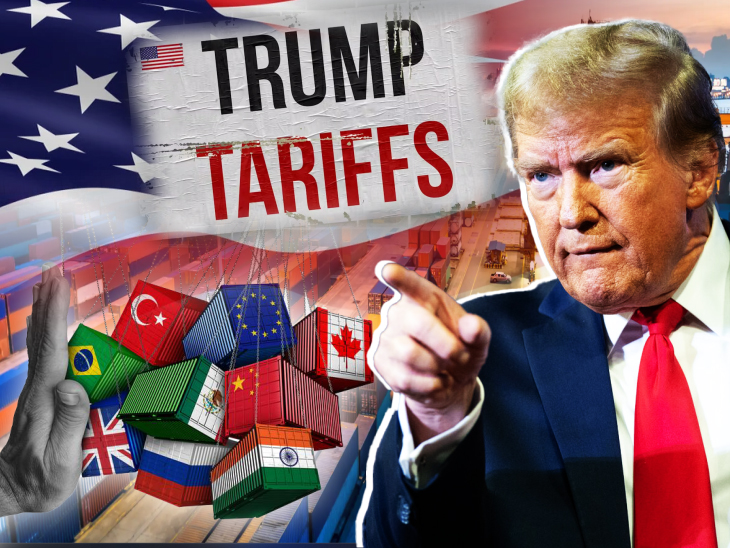
The implementation of Trump tariffs in recent years has ignited a wave of global reactions, significantly changing the landscape of international trade. Countries around the world, notably China, the European Union, and Canada, have implemented retaliatory measures in response to the tariffs imposed by the United States. These measures typically involve levying their own tariffs on American goods, targeting industries and products that are of significant export value to the U.S. economy. Such actions highlight the interconnected nature of modern economies and how unilateral tariff policies can spur a cycle of retaliation.
The trade tensions that have arisen, particularly with China, exemplify the complications and complexities of global trade relations. The dispute between the two nations escalated as the U.S. implemented tariffs aimed at rectifying trade imbalances and protecting domestic industries. However, the counter-tariffs imposed by China on American products, including agricultural goods, have had adverse effects on American farmers and industries. This trade conflict has underscored the broader implications of Trump tariffs, as countries reassess their trade strategies and alliances. These tensions not only impact bilateral trade but also have the potential to disrupt global supply chains.
Moreover, the escalating trade wars have prompted deliberations within multinational organizations, such as the World Trade Organization (WTO), about the fair and effective management of international trade disputes. The rise in protectionist measures, fueled by the implementation of tariffs, raises questions about the long-term sustainability of free trade agreements and the global trading system at large. Countries are re-evaluating their trade policies and exploring new partnerships as a way to mitigate the impacts of Trump tariffs and the accompanying global trade tensions.
Impact on Domestic Economy
The implementation of Trump tariffs has generated significant debate regarding their effects on the U.S. domestic economy. One major area of impact is consumer prices. By imposing tariffs on imported goods, the costs of these products increased, and many companies passed these costs on to consumers. Consequently, everyday items such as appliances and clothing became more expensive, raising concerns about inflation. For instance, the tariffs levied on steel and aluminum led to higher prices in various industries, including construction and automotive, where these materials are critical components.
Additionally, shifts in manufacturing arose as companies sought to mitigate the impact of these tariffs. Some manufacturers began to relocate their production facilities closer to home or explore alternative sourcing strategies to avoid the increased costs associated with imported materials. This trend has the potential to revitalize certain sectors within the U.S., as companies aim to reduce dependency on foreign goods. However, it remains to be seen how sustainable this shift will be in the long term, especially as global supply chains continue to evolve.
The implications for employment are also noteworthy. While some sectors experienced job growth due to increased domestic production, others faced layoffs as industries reliant on imports struggled to adapt. For example, the agricultural sector bore the brunt of retaliatory tariffs from other countries, as U.S. farmers found it more challenging to export their goods competitively. These dynamics contribute to fluctuations in unemployment rates and indicate a mixed influence of Trump tariffs on various employment sectors.
Lastly, the impact of tariffs on economic growth and trade deficits cannot be overlooked. By altering trade balances, tariffs have led to a complex economic landscape, with both potential benefits for domestic industries and drawbacks that complicate overall economic stability. As the U.S. adjusts to these changes, understanding the broader implications of Trump tariffs remains paramount for assessing their long-term effects.
Political Ramifications
The implementation of trump tariffs has elicited a wide array of political consequences that merit thorough examination. Public opinion has played a crucial role in shaping the narrative surrounding these tariffs. Initial enthusiasm among certain voter segments—especially in industries perceived as benefitting from import restrictions—has been tempered by concerns about rising consumer prices and retaliatory measures from other nations. Hence, polls indicate a fluctuating approval rate that reflects the complexities of public sentiment regarding tariffs.
Furthermore, the impact of these tariffs on elections cannot be underestimated. Politicians who support tariffs often do so with the expectation that they will protect domestic jobs and industries. However, as the adverse effects become apparent, candidates may reassess their positions, particularly in districts heavily impacted by rising prices or job losses. This strategic reevaluation can influence campaign platforms and voter mobilization efforts, ultimately shaping electoral outcomes.
Political factions exhibit divergent views on trump tariffs, with some factions staunchly defending their implementation while others vehemently oppose them. For instance, conservative factions may argue that tariffs are necessary to protect national interests, while progressive groups often advocate for free trade principles, emphasizing the potential harm tariffs inflict on consumers and international relations. This rift can lead to strained relationships not only within party lines but also with lawmakers from opposing parties who may seek collaborative trade solutions.
Moreover, businesses find themselves navigating a complex landscape influenced by these tariffs. The uncertainty surrounding international trade agreements can lead to altered investment strategies and partnerships. Many companies, especially those reliant on imported materials, have voiced concerns about escalating costs, which could tarnish their competitive edge. Overall, the political ramifications of trump tariffs extend far beyond immediate economic impacts, reflecting deeper ideological divides and strategic considerations in the realm of U.S. politics.
Future of Trump Tariffs: What’s Next?
The future of Trump tariffs is a subject of considerable debate and speculation, especially in light of shifting political landscapes and evolving global economic conditions. The tariffs, initially implemented to protect American industries and address trade imbalances, have drawn both support and opposition. Understanding the trajectory of these tariffs requires an analysis of potential political shifts and their impact on economic policy.
Following the recent changes in political leadership, one potential scenario involves the reevaluation or modification of existing tariffs. New administrations may advocate for the reduction or elimination of certain tariffs that have been deemed counterproductive, particularly if they adversely affect domestic consumers or exacerbate inflationary pressures. Conversely, it is plausible that some Trump tariffs may be maintained or even expanded if the prevailing political sentiment favors a continued protectionist stance, especially against nations seen as trade adversaries.
On an international scale, foreign countries might react to the current tariff environment by implementing their own counter-tariffs or negotiating new trade agreements to mitigate the impact of American tariffs. Businesses operating within and beyond U.S. borders must adapt their strategies to navigate these changing dynamics. The future could see an increase in bilateral trade agreements aimed at fostering cooperation and potentially reducing tariff barriers, as countries seek to stabilize their economies post-pandemic.
Additionally, ongoing global economic pressures, such as supply chain disruptions or commodity price fluctuations, may influence future tariff policies. For instance, if production costs rise significantly due to tariffs, there may be increased calls from businesses and consumer groups for a rethink on these measures. As stakeholders engage in dialogues about the merits and drawbacks of the Trump tariffs, it is clear that the future will involve continuous adaptation and negotiation as economic conditions evolve.
Case Studies and Real-World Examples
The implementation of Trump tariffs from 2018 onwards has had a considerable impact on various sectors of the U.S. economy. A prominent case study illustrating these effects can be found in the steel and aluminum industries. In July 2018, the Trump administration imposed tariffs of 25% on steel and 10% on aluminum imports, justified by the need to protect American producers from foreign competition. This move aimed to revitalize domestic production but had mixed results. While some domestic steel manufacturers reported increased revenues due to higher prices, other industries, notably construction and automotive, faced rising costs and squeezed profit margins.
For instance, automotive manufacturers such as Ford and General Motors highlighted the struggle to maintain price competitiveness due to increased material costs. These companies had to reassess their pricing strategies, which ultimately led to increased vehicle prices for consumers. In turn, this raised concerns about the long-term sustainability of their market share against foreign competitors unaffected by such tariffs.
Another noteworthy example is the agricultural sector, particularly soybean farmers, who faced retaliatory tariffs from China. Initially buoyed by the promise of expanded exports, farmers quickly found their markets shrinking as Chinese tariffs on U.S. soybeans went into effect. The impact was profound, with many farmers reporting significant losses and turning to government aid programs to mitigate the financial strain. This situation exemplified how the Trump tariffs resulted in an economic domino effect, impacting various stakeholders and leading to unexpected challenges in the agricultural market.
Overall, these case studies underscore the complexity of Trump tariffs and their dual nature—while some industries may benefit from protective measures, others may experience adverse consequences, illustrating the multifaceted implications of trade policy decisions. Continuous evaluation of such real-world examples is essential for understanding the broader effects of tariffs on the economy.
Conclusion: Analyzing the Legacy of Trump Tariffs
The implementation of Trump tariffs marked a significant shift in U.S. trade policy, fundamentally altering the landscape of international commerce. Through these tariffs, the Trump administration aimed to protect domestic industries, enhance job growth, and address trade deficits, primarily targeting imports from China and various other countries. This policy approach sparked extensive debates among economists, policymakers, and business leaders, with opinions varying widely on its efficacy and long-term impact.
One of the most prominent effects of the Trump tariffs was the immediate elevation of costs for consumers and businesses alike, a phenomenon observed as prices of imported goods rose. Industries reliant on foreign supply chains often found themselves grappling with increased operational expenses, which in turn led to heightened consumer prices. Although proponents argued that these tariffs protected American manufacturing, critics pointed to the potential job losses in sectors dependent on imported components and materials.
Beyond the domestic ramifications, the Trump tariffs initiated broader shifts in global trade dynamics. Countries affected by the tariffs took retaliatory measures, leading to trade disputes that further complicated international relations. Consequently, many businesses sought to realign their supply chains, looking towards alternative markets to mitigate their exposure to tariff-related disruptions.
The comprehensive analysis of the legacy of Trump tariffs reveals a complex interplay between protectionism and globalization. While they succeeded in bringing trade issues to the forefront of political discourse, the overall effectiveness of these tariffs in achieving their desired goals remains a subject of debate. Continued discussions surrounding these changes highlight the ongoing influence of Trump tariffs in shaping policies and strategies for international trade in the years to come.
READ MORE : VELORAMAGAZINE.CO.UK
