
Introduction to Hantavirus
Hantavirus is a significant pathogen that poses health risks to humans, primarily transmitted through contact with infected rodents. This group of viruses is considered zoonotic, meaning they are capable of being transmitted from animals to humans. The notable strains of hantavirus include Sin Nombre virus in the United States, which is linked to cases of Hantavirus Pulmonary Syndrome (HPS), and Hantaan virus found in Asia, associated with Hemorrhagic Fever with Renal Syndrome (HFRS).
Significantly, hantavirus was first recognized in the early 1990s after a cluster of severe respiratory illnesses in the southwestern United States, primarily affecting individuals who had close encounters with deer mice, the primary reservoir. Extensive research since then has emphasized the ecological dynamic between hantavirus and its rodent hosts, which thrive in specific environments, and how variations in weather can affect rodent populations, consequently influencing human exposure risks.
The virus is believed to spread mainly through inhalation of aerosolized particles from rodent droppings, urine, or saliva, posing risks to individuals in rural and semi-rural areas where human-rodent interactions are more common. Moreover, hantavirus can also be contracted through direct contact with infected animals or their secretions. Public health officials have highlighted the importance of understanding hantavirus in the context of emerging infectious diseases, as increased contact with wildlife due to urban expansion enhances the potential for outbreaks.
Furthermore, the global incidence of hantavirus infections has raised alarms, prompting initiatives aimed at education and prevention strategies. As such, gaining a thorough understanding of hantavirus, its origins, and its connections to public health is crucial in mitigating risks and raising awareness about this potentially lethal virus.
Types of Hantavirus
Hantaviruses are a diverse group of viruses belonging to the Bunyaviridae family, which are primarily associated with rodent hosts. Among the various strains, some are particularly notable for their implications in human health. The Hantaan virus, for instance, is known predominantly in Asia and is a leading cause of hemorrhagic fever with renal syndrome (HFRS). This virus is transmitted to humans through contact with infected rodent excreta, urine, or saliva. Symptoms can range from mild to severe, often leading to kidney failure in more severe cases.
Another significant strain is the Sin Nombre virus, which is primarily found in the United States. This virus gained attention following outbreaks during the early 1990s, particularly affecting the Four Corners region. Sin Nombre virus is responsible for hantavirus pulmonary syndrome (HPS), a severe respiratory illness with a high mortality rate. It is primarily transmitted to humans via aerosolized particles from the droppings of infected deer mice. Symptoms typically include fever, muscle aches, and severe respiratory distress, emphasizing the virus’s serious impact on human health.
Lastly, the Seoul virus is another strain that demands attention, especially in urban environments. Commonly found in city-dwelling rats, this virus can cause HFRS similar to Hantaan virus. Its transmission is closely linked to interactions between humans and their surrounding rodent habitats. Understanding these types of hantavirus and their respective geographical distributions is pivotal for public health initiatives, as they provide insights into prevention strategies and health advisory directions, especially for those in high-risk areas.
How Hantavirus is Transmitted
Hantavirus transmission occurs primarily through contact with rodent populations, particularly those found in rural and semi-rural areas. Rodents, especially deer mice, are recognized as significant reservoirs of the virus, which can lead to infections in humans. The primary method of transmission involves inhaling aerosolized droplets that contain the hantavirus. These droplets are typically released into the air when rodent urine, droppings, or saliva dry out and are disturbed, becoming airborne particulate matter.
When a person encounters a rodent-infested area, the risk of inhalation greatly increases. For instance, setting traps or cleaning up after rodents can disturb materials where droppings or urine have dried, releasing the virus into the air. Therefore, activities involving potential rodent habitats, such as cleaning attics or sheds, should be approached with caution.
Direct contact with rodent excreta or nesting materials can also facilitate the spread of hantavirus. When a person touches infected materials and subsequently touches their face or mouth, they increase the risk of introducing the virus into their system. Moreover, handling dead rodents without proper protection can lead to direct exposure and subsequent infection.
In rare cases, hantavirus may be transmitted through bites from an infected rodent. This mode of transmission, however, is considered much less common compared to inhalation and direct contact. It is essential to consider these transmission routes when implementing preventative measures against hantavirus infection. Understanding these pathways can aid in reducing the incidence of hantavirus and protecting high-risk populations.
Symptoms of Hantavirus Infection
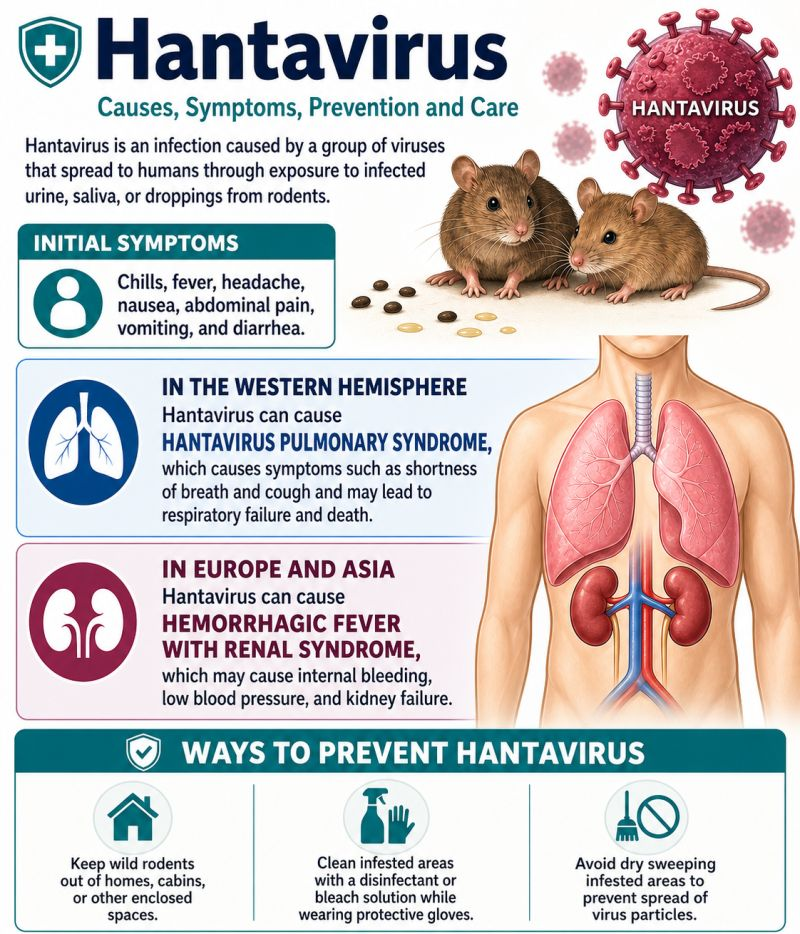
Hantavirus infections can manifest through two primary diseases: Hantavirus Pulmonary Syndrome (HPS) and Hemorrhagic Fever with Renal Syndrome (HFRS). Each type of disease presents a distinct set of symptoms that are crucial for identification and diagnosis.
Hantavirus Pulmonary Syndrome typically begins with nonspecific symptoms resembling those of influenza. Patients may experience fever, chills, and muscle aches, as well as gastrointestinal symptoms such as nausea, vomiting, and abdominal pain. As the disease progresses, more severe respiratory symptoms can emerge, including coughing and dyspnea. These symptoms are attributed to a rapid accumulation of fluid in the lungs, leading to acute respiratory distress, which can be fatal without prompt medical intervention.
In contrast, Hemorrhagic Fever with Renal Syndrome often presents with a more abrupt onset of symptoms. Initial signs may include severe headaches, back pain, and flushing of the face, followed by fever and abdominal discomfort. One of the more distinctive symptoms of HFRS is the potential for bleeding, which can occur in various forms, such as petechiae or more significant hemorrhagic events. Additionally, renal involvement is a prominent characteristic, which can result in acute kidney injury. This condition may lead to further complications, such as low blood pressure and shock in severe cases.
Both syndromes emphasize the importance of recognizing these early symptoms associated with hantavirus infections. Understanding the differences can assist in timely and appropriate diagnosis, which is critical for managing these potentially life-threatening conditions. Health professionals should remain vigilant in identifying cases presenting with these symptoms, especially in individuals with known exposure to rodent populations, where the virus typically resides.
Risk Factors for Hantavirus Exposure
Hantavirus exposure is primarily linked to environments conducive to rodent populations, as these rodents are the main carriers of the virus. The most common carriers are deer mice, which inhabit rural and semi-urban areas. Individuals who live in places where these mice are prevalent are at a significantly increased risk of encountering hantavirus. Areas with dense vegetation and agricultural practices can also see higher rodent activities, further elevating exposure risks.
Certain occupations present a higher degree of exposure to hantavirus. Workers in fields such as agriculture, forestry, and construction are especially vulnerable during the warmer months when rodent activity peaks. Additionally, professions that involve cleaning or maintaining abandoned buildings or homes can also pose a threat, as these locations may serve as nesting grounds for infected rodents. Thus, occupational safety procedures should prioritize minimizing contact with rodents and their droppings when working in high-risk environments.
Activities that increase the likelihood of contact with rodent droppings, urine, or saliva are also significant risk factors. Engaging in outdoor activities such as camping, hiking, and handling firewood can inadvertently lead to exposure, particularly if these activities occur in areas occupied by rodents. Even indoor activities performed in poorly maintained buildings can present risks if these structures are infested with rodents. Establishing preventative measures, such as using proper cleaning techniques and maintaining rodent-free environments, is essential to reduce the risk of hantavirus transmission.
Diagnosis and Testing for Hantavirus
Diagnosing hantavirus infections requires a multifaceted approach that integrates clinical evaluations and laboratory testing. Initially, healthcare professionals will conduct a thorough medical history assessment, including any recent exposure to rodents or their droppings, as these are known vectors for the hantavirus. The clinician will also assess symptoms, which may include fever, muscle aches, fatigue, and shortness of breath, all of which can mirror other illnesses.
Laboratory testing plays a crucial role in confirming a hantavirus diagnosis. Blood tests are typically used to detect antibodies that the immune system produces in response to the virus. The most common tests include enzyme-linked immunosorbent assays (ELISAs), which can identify IgM antibodies that indicate a recent infection. Additionally, polymerase chain reaction (PCR) testing can directly detect hantavirus RNA in the patient’s blood or respiratory secretions, providing a more immediate insight into the presence of the virus.
Timely diagnosis of hantavirus is essential for effective treatment and improved patient outcomes. The progression of hantavirus pulmonary syndrome can be rapid, with severe respiratory distress developing in a short time frame. Early identification allows for the initiation of supportive care, which may include supplemental oxygen and fluid management. Furthermore, healthcare professionals can implement necessary precautions to prevent transmission, as hantavirus can pose a significant risk to other individuals, particularly those exposed to the same environment as the infected person.
In conclusion, the combination of clinical evaluations and targeted laboratory tests forms the backbone of hantavirus diagnosis. Recognizing the symptoms early and utilizing appropriate diagnostic methods ensures patients receive timely care, ultimately enhancing recovery prospects and reducing the risk of aspiration to others in the community.
Treatment and Prognosis of Hantavirus Infections
Treatment for hantavirus infections primarily revolves around supportive care, as no specific antiviral therapy is available. Patients diagnosed with hantavirus pulmonary syndrome (HPS) or hantavirus nephropathy (HFRS) often require hospitalization, especially in severe cases. Supportive care may include supplemental oxygen, fluid management, and intensive care monitoring to ensure that respiratory and renal function is maintained. In instances where patients experience acute respiratory distress syndrome, mechanical ventilation may be necessary.
Early recognition of symptoms associated with hantavirus is crucial, as it can significantly impact outcomes. Individuals who receive prompt supportive treatment tend to have better prognosis and recovery rates. Close monitoring is essential as the clinical course of this infection can progress rapidly. Assessments are made for potential complications, such as cardiovascular instability or acute kidney injury, which may require further medical interventions.
Despite the gravity of hantavirus infections, the prognosis can vary widely among affected individuals. Some may recover with appropriate supportive care within a few weeks, while others could experience long-lasting effects or complications. Long-term health issues have been documented, particularly in those who develop severe pulmonary symptoms. To improve recovery chances, it is imperative that healthcare providers maintain vigilant observation of affected individuals and act swiftly to address complications as they arise.
In conclusion, while there is no specific cure for this infections, timely supportive care plays a vital role in managing the disease and improving the prognosis. The focus remains on early intervention, symptom management, and addressing any complications promptly to ensure the best possible outcomes for patients.
Prevention
The prevention of hantavirus infection is crucial in reducing the risk of serious health complications associated with the disease. Effective strategies primarily revolve around controlling rodent populations, proper sanitation, and using personal protective equipment.
First and foremost, managing rodent populations is essential, as it is primarily transmitted through contact with infected rodents, especially deer mice. To deter rodents from entering homes or workplaces, seal all potential entry points, such as cracks and holes in walls, floors, and around windows. Moreover, maintaining a clean environment by storing food in sealed containers and keeping trash in tightly secured bins can significantly reduce the attractiveness of your space to rodents.
In addition to rodent control, safe cleaning procedures can minimize the possibility of hantavirus exposure. When cleaning areas where rodent droppings or nests are found, it is important to avoid sweeping or vacuuming, which can aerosolize the virus. Instead, use a damp cloth to clean surfaces and disinfect them with a solution of bleach and water. Allow the area to dry naturally, ensuring that any residual moisture does not create a breeding ground for rodents.
Lastly, the use of personal protective equipment (PPE) is a critical component when dealing with potential hantavirus exposure. Individuals entering areas with known rodent infestations should wear gloves, masks, and goggles to protect against virus transmission. The importance of PPE cannot be overstated, particularly during cleaning or renovation processes in high-risk environments, such as rural or agricultural settings.
By implementing these preventive measures, individuals can significantly reduce their risk of hantavirus infections while ensuring a safer living and working environment.
Conclusion and Final Thoughts on Hantavirus
In the examination of hantavirus, we have come to understand its various dynamics including symptoms, transmission methods, and prevention strategies. Hantavirus infections, though rare, have significant health implications, marked by the potential progression to Hantavirus Pulmonary Syndrome (HPS), which can be life-threatening. The initial symptoms, which may mimic flu or severe respiratory conditions, necessitate that individuals remain vigilant and informed.
The primary vector for hantavirus transmission is through rodent feces, urine, and saliva. Thus, it is vital to emphasize the importance of proper hygiene and proactive strategies in controlling rodent populations in both urban and rural settings. Awareness of how it can be contracted through contaminated environments plays a crucial role in prevention. Simple practices such as sealing entry points to homes and maintaining cleanliness can significantly reduce the risk of exposure.
Education and awareness are paramount to empowering individuals and communities to take actionable steps in protecting themselves from hantavirus-related risks. Public health campaigns should focus on disseminating information about safe handling of rodent infestations and the importance of seeking medical attention in the event of exposure or symptomatic incidence.
In conclusion, fostering a well-informed public is an essential step toward enhancing safety and minimizing hantavirus infections. By prioritizing education on environmental health and personal safety measures, we can collectively contribute to reducing the incidence of this serious viral infection. Stakeholders, including health agencies and community organizations, must work collaboratively to ensure that accurate information reaches those most at risk, reinforcing the commitment to public health and safety in the face of potential hantavirus outbreaks.
READ MORE : VELORAMAGAZINE.CO.UK
