
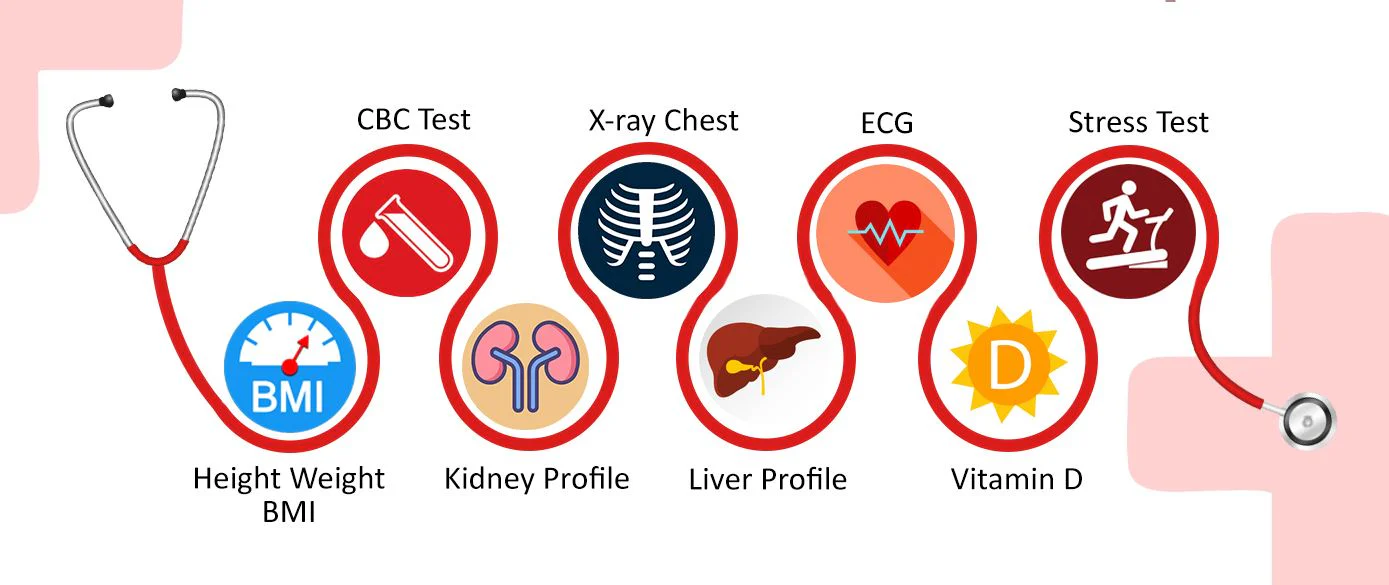
Introduction to Simple Health Check Methods
As individuals increasingly prioritize their health, the recognition of simple health check methods has gained prominence. These methods are straightforward procedures that anyone can integrate into their daily routines to monitor their well-being without necessitating extensive medical training. Unlike comprehensive medical assessments, simple health check methods focus on easily measurable indicators that suggest one’s overall health status.
The importance of employing simple health check methods cannot be overstated. Early detection of potential health issues often leads to more effective management and intervention, significantly enhancing the quality of life. Simple health check methods empower individuals to take charge of their health, offering a proactive approach rather than a reactive one. Basic practices such as monitoring blood pressure, tracking weight, and assessing heart rate can provide invaluable insights into one’s health.
Moreover, integrating these simple health check methods into daily life is often uncomplicated. For instance, utilizing smartphone applications to log health metrics enables users to visualize trends and fluctuations over time. Similarly, employing home health monitoring devices makes it convenient to conduct assessments in the comfort of one’s home. This ease of access not only encourages consistent tracking but also promotes health literacy, allowing individuals to recognize normal ranges and understand when to seek medical advice.
Ultimately, adopting simple health check methods contributes to a culture of preventive care, nurturing an environment where individuals can alert their healthcare providers to potential concerns before they escalate into more serious conditions. By making health a continuous priority, one can foster a healthier lifestyle and potentially improve overall longevity.
Why Regular Health Checks Matter
Regular simple health check methods are fundamental to maintaining overall well-being and can play a pivotal role in preventing serious health conditions. Engaging in simple health check methods enables individuals to monitor their health proactively. By keeping track of key health indicators, such as blood pressure, cholesterol levels, and weight, one can identify potential health issues before they develop into more severe problems. This early detection often correlates with better treatment outcomes, as many conditions are manageable or even reversible when caught in their initial stages.
Moreover, regular health checks provide an opportunity for individuals to discuss any emerging health concerns with medical professionals, leading to tailored guidance for healthier living. The information gleaned from these evaluations allows healthcare providers to create personalized health plans that address specific needs, thereby enhancing the effectiveness of health management strategies.
In the context of chronic diseases, such as diabetes or hypertension, consistent monitoring through simple health check methods can significantly improve quality of life. It facilitates timely adjustments in lifestyle or medication, which can prevent complications and promote longevity. Studies have shown that routine health screenings can reduce the mortality rate associated with various diseases, highlighting the effectiveness of preventive healthcare.
In addition to the medical advantages, routine health evaluations contribute to reinforcing positive health behaviors. When individuals regularly engage in self-assessments, they are more likely to adopt healthier habits, such as balanced nutrition and regular physical activity, leading to overall improved health. Thus, the importance of regular health checks cannot be overstated, as they are essential in shaping a proactive approach to wellness and long-term health management.
Basic Health Check Methods You Can Do at Home
Maintaining an understanding of your health is vital, and there are several simple health check methods you can perform without leaving your home. These methods empower individuals to monitor their well-being regularly and facilitate early detection of potential health issues.
One primary method is measuring your blood pressure. Home blood pressure monitors are widely available and easy to use. Regularly tracking your blood pressure can help you identify any unusual changes and consult with a healthcare professional if necessary. It is advisable to take the measurement at the same time each day for consistency.
Another critical self-checked metric is your heart rate. Using a smartwatch or a digital fitness tracker, you can easily keep tabs on your heart rate throughout the day. Alternatively, you can manually check your pulse by placing your fingers on your wrist or neck. Keeping a record of your resting heart rate can offer insights into your cardiovascular health.
Monitoring blood sugar levels is particularly crucial for individuals at risk of diabetes. Home glucose monitors allow for simple health check methods to measure your blood sugar levels. Regular checks, particularly if you experience symptoms like fatigue or increased thirst, help in managing and preventing diabetes-related complications.
Finally, conducting self-examinations for signs of common health issues can be an essential practice. For instance, monthly breast examinations for women or skin checks for moles and blemishes can serve as proactive steps in identifying any abnormalities that may require further attention. These techniques are primarily straightforward yet significantly contribute to early detection and prompt intervention.
Incorporating these basic health check methods into your routine not only improves your understanding of your well-being but also fosters a proactive approach to your health management.
Using Technology for Health Monitoring
In the modern world, technology has significantly transformed the way we approach health monitoring. With the advent of various digital health solutions, simple health check methods have become more accessible and effective. Devices such as fitness trackers, smartwatches, and health-monitoring wearables enable users to effortlessly keep track of various health metrics, ranging from heart rate and sleep patterns to physical activity levels and calorie consumption.
Fitness trackers are among the most popular health monitoring tools available today. These devices typically come equipped with sensors that can automatically record steps taken, distance traveled, and even the number of calories burned throughout the day. Many models also feature built-in heart rate monitors, allowing users to observe their cardiovascular performance in real time. This data can serve as a foundation for maintaining a healthier lifestyle, as individuals can identify trends and make informed decisions based on their activity levels.
Additionally, smartphones have a plethora of applications designed to facilitate simple health check methods. Many of these apps can track specific health parameters such as weight, nutrition intake, and hydration, while also offering reminders and goals to motivate users. For example, apps that integrate with wearable devices can provide comprehensive insights into health and fitness progress, making it easier for individuals to stay accountable to their wellness objectives.
Moreover, telehealth services have gained prominence, allowing users to consult healthcare professionals conveniently via video calls or messaging. These services can enhance health monitoring by facilitating regular check-ins and providing professional guidance based on real-time data collected through linked devices. By harnessing technology, individuals can adopt proactive approaches to their health and well-being, thus utilizing simple health check methods to their fullest potential.
Understanding Your Body: Key Signs to Monitor
Being attuned to your body’s signals is crucial for maintaining good health. There are several common symptoms that individuals should monitor, as they can serve as indicators of potential health problems. Recognizing these signs early can often lead to timely interventions and better health outcomes. One of the most prevalent signs to watch for is fatigue. While everyone experiences tiredness occasionally, persistent fatigue that does not improve with rest should raise concerns. It could indicate underlying issues such as anemia, thyroid dysfunction, or sleep disorders.
Weight changes, both gain and loss, also warrant attention. Significant fluctuations in weight can be indicative of serious health conditions. For instance, unexplained weight loss may be associated with metabolic disorders, cancers, or even mental health issues such as depression. Conversely, unintentional weight gain can signal problems such as hormonal imbalances or lifestyle-related issues including poor dietary habits.
Another important aspect is monitoring skin changes. The skin is often referred to as the body’s largest organ and can reflect internal health status. Noticeable changes such as new moles, rashes, or persistent dryness should not be ignored and may indicate conditions ranging from allergies to more serious dermatological or systemic health issues.
Beyond these specific signs, it is essential to listen to your body’s overall cues. Symptoms such as pain, mood swings, or digestive issues can also provide vital information about your health. If any of these bodily signals become persistent or intense, it is advisable to consult healthcare professionals for further evaluation. Regular health check-ups and being proactive about monitoring these symptoms can significantly contribute to your overall well-being.
Establishing a Health Check Routine
Creating a simple health check methods is essential for maintaining optimal well-being and catching potential issues early. To begin, it is important to schedule regular check-ups with your healthcare provider. These visits can range from annual physicals to more frequent screenings depending on individual health risks and history. Having a predetermined appointment schedule promotes accountability and ensures that you prioritize your health in your busy life.
In addition to professional check-ups, incorporating self-checks into your routine can be equally valuable. Simple health check methods, such as monitoring your weight, blood pressure, and heart rate, can provide important insights into your overall health. Setting reminders on your phone or using a calendar to prompt these self-assessments can turn this practice into a habit, further reinforcing your commitment to health monitoring.
Recording your health metrics is another vital aspect of a health check routine. Maintaining a health journal or using mobile applications designed for this purpose can help you track changes over time. By documenting vital signs, symptoms, or notable changes, you gain a clearer picture of your health trajectory, which can be beneficial during consultations with healthcare professionals. Such written records enhance communication and help you and your doctor make informed decisions regarding your health.
Moreover, setting realistic goals related to your health checks can motivate adherence to this routine. For example, aiming to reduce your blood pressure or achieve a healthier weight can drive consistent engagement with your health metrics and check-up schedule. Overall, by establishing a systematic approach to monitoring your health through simple health check methods, you position yourself for better health management and a deeper understanding of your well-being.
Monitoring your health through simple health check methods can provide valuable insights into your well-being. However, it is essential to know when to seek the assistance of professional healthcare providers, especially when certain symptoms or metrics arise that may indicate a more serious underlying condition.
One key indicator of when to consult a healthcare professional is when the self-check methods reveal persistent abnormalities. For instance, if self-assessments reveal elevated blood pressure readings consistently above the normal range, it is crucial to seek advice from a qualified healthcare provider. High blood pressure can lead to significant health issues if left unaddressed. Similarly, unexplained weight fluctuations, whether rapid gain or loss, should prompt a professional evaluation to rule out any metabolic or psychological disorders.
Additionally, paying attention to recurring symptoms is vital. If simple health check methods indicate ongoing pain, fatigue, or mood changes that affect daily life, these can be signs of underlying health issues that require further investigation. It is important to recognize that self-assessments are often preliminary and may not provide a complete picture of one’s health. Therefore, professional evaluations can complement self-checks, offering comprehensive health assessments that consider variations in individual health profiles.
Moreover, it is crucial to not ignore symptoms that may seem manageable at first but worsen over time. Sudden changes in behavior, such as increased anxiety or confusion, should be addressed promptly with a healthcare provider. Remember that simple health check methods serve as a starting point for health awareness, but they cannot replace the expertise of healthcare professionals. Regular consultations can provide essential guidance tailored to your health needs.
Common Mistakes in Self-Health Checks
Engaging in simple health check methods can be an effective way to monitor one’s well-being. However, many individuals fall victim to common mistakes that can compromise the accuracy of their assessments. One significant pitfall is incorrect measurement techniques. For instance, when measuring blood pressure, it is vital to follow the recommended guidelines, such as resting for a few minutes beforehand and positioning the cuff correctly. Failure to adhere to these protocols may lead to inaccurate readings, which can cause undue concern or complacency regarding one’s health.
Another common issue is neglecting symptoms. Individuals sometimes overlook minor signs that can be significant indicators of underlying health conditions. For example, recurring headaches or unexplained fatigue should not be dismissed lightly. Simple health checks are most beneficial when combined with awareness of how one feels day-to-day. Ignoring persistent symptoms can result in delayed medical intervention when conditions may have been addressed more effectively during the early stages.
Misunderstanding results also presents a challenge in self-health assessments. Individuals may misinterpret numerical values or physical signs without the appropriate context or medical knowledge. For example, a slightly elevated body temperature or blood sugar level might cause unnecessary panic if one does not understand the typical ranges and their implications. It is essential to recognize that simple health check methods serve as initial indicators rather than definitive diagnoses. Therefore, it is advisable to consult with healthcare professionals for interpretation of the results to take informed action.
By being aware of these common mistakes—incorrect measurement techniques, neglecting symptoms, and misunderstanding results—individuals can improve the efficacy of their self-health checks and ensure they reflect an accurate picture of their overall health status.
Conclusion: Staying Proactive with Your Health
In today’s fast-paced world, maintaining good health is of paramount importance. As we have explored throughout this article, employing simple health check methods can significantly enhance one’s understanding of their well-being. Regular monitoring of vital signs, such as blood pressure, heart rate, and blood sugar levels, allows individuals to keep track of their health status and identify potential issues before they escalate. Moreover, basic lifestyle evaluations, including nutritional assessments and physical activity levels, provide additional insight into one’s health.
Utilizing these straightforward techniques not only empowers individuals to take control of their health but also promotes a preventive approach to medical care. This means that rather than waiting for symptoms to manifest, one can proactively engage in health assessments that highlight areas needing attention. For instance, assessing body mass index (BMI) can serve as a valuable indicator of whether one is at a healthy weight, ultimately guiding decisions about diet and exercise.
Encouragingly, these simple health check methods need not be intimidating or overly time-consuming. Many of them can be carried out at home or during routine check-ups with healthcare professionals. It is essential to remember that early detection of potential health issues can lead to more effective management and treatment options. As individuals become more informed and proactive about their health, the likelihood of preventing chronic illnesses and improving quality of life increases. Therefore, integrating these health monitoring practices into daily routines is a vital step towards achieving long-term wellness.
READ MORE : VELORAMAGAZINE.CO.UK
