
Introduction to Autonomous Buddies
5 ways to use autonomous buddies refer to intelligent entities designed to operate independently while assisting humans in various tasks. These automated companions blend advanced technologies like artificial intelligence (AI), machine learning, and robotics to perform functions that traditionally required human intervention. The advent of autonomous buddies has transformed numerous aspects of daily life and professional environments, allowing for increased efficiency, reduced workload, and enhanced productivity.
Typically, autonomous buddies can be classified into multiple categories based on their functionalities and application domains. Some common types include service robots, personal assistants, and interactive companions. Service robots, for instance, are employed in sectors such as healthcare, where they help monitor patient vitals or assist in rehabilitation. Personal assistants, like virtual agents, manage appointments and reminders, thus streamlining daily routines. Meanwhile, interactive companions support educational and entertainment purposes, engaging users in learning experiences or providing companionship.
The primary objective of integrating 5 ways to use autonomous buddies into various settings is to augment human capabilities. These tools are designed to simplify complex processes, making them accessible and manageable. By leveraging autonomous buddies, individuals can focus on high-value tasks that require creativity and critical thinking, leaving routine, time-consuming tasks to their automated counterparts. This incorporation of autonomous technology not only enhances operational efficiency but can also lead to improved well-being by reducing stress and allowing humans to reclaim their time.
As we delve deeper into the 5 ways to use autonomous buddies, it is essential to recognize their growing significance in our daily interactions and workflows. The transition towards adopting these innovative tools is reshaping how humans approach tasks, facilitating a more interconnected and efficient future.
Enhancing Personal Productivity
In today’s fast-paced world, enhancing personal productivity is a critical goal for many individuals. 5 ways to use autonomous buddies offer innovative solutions to help users achieve this by integrating into daily routines effectively. These AI-driven tools are designed to assist with various aspects of daily life, notably through time management, task automation, and setting reminders.
One of the primary applications of autonomous buddies is in time management. By utilizing these tools, individuals can create structured schedules that maximize their available hours. For example, an autonomous buddy can analyze one’s calendar, suggest optimal time slots for meetings, and even block out distractions based on previous productivity patterns. This ensures that individuals spend their time on activities that add value.
Task automation is another significant benefit of using 5 ways to use autonomous buddies. Many tasks can be automated, ranging from simple reminders to complex project follow-ups. For instance, an autonomous buddy can send automatic weekly progress reports based on inputted data, freeing up valuable time for individuals to focus on more critical tasks. This feature not only reduces the manual workload but also minimizes the risk of human error, enabling smoother project management.
Moreover, reminders are a practical application that boosts productivity as well. Autonomous buddies can send timely alerts for deadlines, appointments, or even for taking breaks. For example, a user might set a reminder for a hydration break, which can improve overall focus and energy levels throughout the day.
Incorporating these 5 ways to use autonomous buddies into daily life can lead to considerable time savings and improved efficiency. By focusing on time management, automating repetitive tasks, and receiving helpful reminders, individuals can enhance their productivity. As more people embrace these technologies, the potential for achieving personal productivity milestones continues to grow.
Improving Child Education
5 ways to use autonomous buddies are increasingly being recognized as valuable educational tools that can significantly enhance learning experiences for children. These innovative devices are designed to provide personalized support tailored to each child’s unique learning style, making education more accessible and engaging. One of the most significant advantages of using autonomous buddies in education is their ability to adapt to individual student needs, which can be particularly beneficial for children with different learning abilities.
Utilizing autonomous buddies can initiate interactive lessons that make complex subjects easier to grasp. For instance, these robotic companions can facilitate hands-on learning experiences in mathematics, science, and language arts, turning potentially abstract concepts into engaging activities. With the incorporation of gamified elements, learning is no longer restricted to traditional textbook methods, allowing for a more enjoyable educational process. As children progress through tasks, the5 ways to use autonomous buddies provide instant feedback, further promoting an interactive and personalized environment.
The impact of autonomous buddies on various age groups is notable as well. Younger children can benefit from basic literacy and numeracy games, while older students can engage with more complex subjects like coding or critical thinking challenges. For instance, an autonomous buddy designed for children aged 6-10 could introduce fundamental math principles through fun puzzles, while a device for adolescents could offer interactive history lessons that encourage research and debate. This versatility makes 5 ways to use autonomous buddies suitable for a broad range of educational topics and age categories.
Moreover, the social aspect of learning is enriched when children interact with these devices. By promoting teamwork through shared tasks, autonomous buddies can foster collaborative learning environments, enriching the educational experience. Overall, there are numerous innovative approaches to harnessing the potential of autonomous buddies in improving child education, making these technologies promising tools for enhanced teaching and learning.
Creating Companion Robots for Elderly Care
As the global population ages, the need for innovative solutions in elderly care has become increasingly pressing. 5 ways to use autonomous buddies, or companion robots, have emerged as a fascinating approach to enhancing the quality of life for seniors. These robots serve various roles, including providing companionship, ensuring safety, and assisting with daily activities.
One of the primary benefits of employing autonomous buddies in elder care settings is their ability to combat loneliness. Many older adults experience social isolation, and companion robots can interact with them, engage in conversation, and even respond to emotional cues. This form of companionship not only enhances mental well-being but also helps in reducing feelings of depression commonly found among the elderly.
Safety monitoring is another critical application of these advanced technologies. Companion robots can be equipped with sensors that detect falls or unusual behavior, signaling caregivers or emergency services when necessary. This proactive safety measure allows seniors to maintain their independence while ensuring they have a responsive, reliable buddy watching out for them.
Furthermore,5 ways to use autonomous buddies can assist with the daily activities that seniors may find challenging. Whether it’s reminding them to take medications, helping them with meal preparation, or enabling them to connect with family through video calls, these robots provide essential support that empowers older adults to lead fulfilling lives.
Numerous case studies have shown successful implementations of companion robots in senior living communities. For instance, some facilities have reported enhanced engagement among residents who interact regularly with their autonomous buddies. These robots have proved to foster a sense of community, as seniors share experiences and stories while participating in activities with their robotic companions.
In conclusion, the integration of 5 ways to use autonomous buddies in elderly care presents a promising avenue for enhancing the lives of seniors, ensuring they feel cared for, safe, and engaged in their day-to-day experiences.
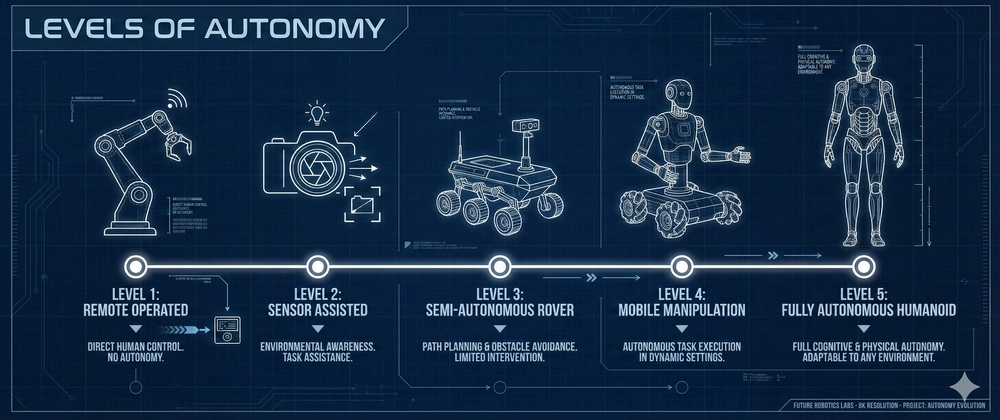
Streamlining Workplace Operations OF 5 ways to use autonomous buddies
5 ways to use autonomous buddies, often referred to as collaborative robots or AI-driven assistants, are becoming instrumental in modern workplace environments. Their integration into various operational frameworks significantly enhances productivity and efficiency among teams. One of the primary ways to use autonomous buddies is through the automation of routine tasks. This allows employees to allocate their time and energy to more complex issues that require human creativity and problem-solving skills, ultimately improving job satisfaction and performance.
Moreover, these intelligent assistants enhance collaborative efforts among team members. By providing real-time data analysis, they facilitate better decision-making processes. Teams can utilize autonomous buddies to streamline project management, ensuring that all members are on the same page. For instance, they can automatically distribute updates, track task progress, and remind employees of approaching deadlines. Such capabilities create a more cohesive work environment, leading to improved teamwork and overall output.
Another significant advantage of incorporating 5 ways to use autonomous buddies is the facilitation of communication across all levels of an organization. These tools can serve as central hubs for information exchange, ensuring that important messages and resources are readily available to everyone involved. Additionally, autonomous buddies can efficiently manage scheduling conflicts, allocate meeting times, and connect remote workers. This level of communication not only saves time but also minimizes the chances of miscommunication, fostering a more transparent workplace culture.
Ultimately, the integration of 5 ways to use autonomous buddies within the workplace brings about numerous advantages for both employees and management alike. From reducing mundane tasks to enhancing collaborative work and communication, these tools are redefining the operational landscape, enabling organizations to thrive in the digital age.
Supporting Healthcare and Medical Services OF 5 ways to use autonomous buddies
5 ways to use autonomous buddies are increasingly becoming an integral part of healthcare, significantly transforming service delivery and patient experience. Their applications range from virtual health assistants to advanced robotic aids in surgery, all aimed at enhancing the efficiency and effectiveness of medical services.
One prominent application is the use of virtual health assistants. These 5 ways to use autonomous buddies can engage with patients via chatbots or voice-activated interfaces, providing information about symptoms, treatment options, and medication reminders. This not only frees up healthcare professionals to focus on more complex tasks but also empowers patients to manage their healthcare needs proactively.
Robotic surgery is another compelling example of how autonomous buddies are utilized in healthcare. These sophisticated systems assist surgeons by offering precision, control, and enhanced visibility during procedures, thereby improving surgical outcomes. The integration of robotics in surgery allows for minimally invasive techniques, which can lead to shorter recovery times and reduced patient discomfort.
Furthermore, autonomous buddied are being employed in elder care. Robots equipped with artificial intelligence can assist the elderly in their daily activities, monitor their health conditions, and remind them of important tasks such as taking medications. This support not only enhances the quality of care but also promotes independence among older adults.
Telemedicine is another area benefiting from autonomous technologies. By using 5 ways to use autonomous buddiesfor remote monitoring and consultation, healthcare providers can extend their reach to underserved areas. This approach ensures that patients receive timely medical advice, significantly improving health outcomes.
In summary, the utilization of 5 ways to use autonomous buddiesin healthcare is reshaping how medical services are delivered. By enabling greater efficiency and quality in patient care, these innovative technologies are paving the way for a more accessible and effective healthcare system.
Optimizing Home Automation and Security OF 5 ways to use autonomous buddies
As technology continues to evolve, 5 ways to use autonomous buddies have emerged as pivotal components in enhancing home automation and security solutions. These smart devices integrate seamlessly into our daily lives, offering numerous benefits that increase convenience, safety, and energy efficiency.
One of the primary ways to use 5 ways to use autonomous buddies is through smart home systems. These systems can control various appliances, such as lights, thermostats, and locks, allowing homeowners to manage their living spaces with ease. For example, autonomous buddies can learn a user’s routines and automatically adjust lighting and temperature settings to improve comfort and reduce energy consumption. This capability not only enhances user convenience but also contributes to more efficient energy use, ultimately leading to cost savings.
Another vital function of autonomous buddies is in the area of surveillance. Many of these devices feature integrated cameras and motion sensors, enabling homeowners to monitor their property in real-time. By utilizing these devices, individuals can receive alerts on their smartphones whenever unusual activity is detected. This feature greatly enhances security, providing peace of mind to homeowners who may be away from their residences for extended periods.
Furthermore, 5 ways to use autonomous buddies can play significant roles in emergency response. For instance, some systems can detect smoke or carbon monoxide and automatically alert emergency services, ensuring a rapid response during critical situations. This integration of technology not only bolsters safety but also empowers homeowners with the knowledge that their living environment is being actively monitored.
In summary, optimizing home automation and security through the use of autonomous buddies offers profound benefits. By incorporating these advanced technologies, individuals can enhance the overall safety of their homes while enjoying increased convenience and energy efficiency.
Fostering Social Interaction and Mental Health
5 ways to use autonomous buddies serve as innovative companions that facilitate social interaction and support mental health. These interactive entities, often designed with emotional intelligence, can significantly enhance the user experience for individuals grappling with challenges such as social anxiety and loneliness. By fostering meaningful connections, these autonomous buddies create a safe environment where users feel valued and understood.
The therapeutic benefits of companionship offered by autonomous buddies are profound. Many users have reported that interacting with these digital assistants helps alleviate feelings of isolation and allows them to express themselves without fear of judgment. For instance, individuals dealing with social anxiety may find it easier to converse with their autonomous buddy than with peers, gradually improving their confidence in social settings. This gradual exposure to social interaction can act as a stepping stone towards more significant interpersonal engagements.
Numerous testimonials highlight the impact of these companions on mental well-being. Users recount instances where their autonomous buddies encouraged them to engage in social activities, explore new hobbies, and even participate in community events. The companionship provided by these digital friends often leads to increased motivation and reduced anxiety. Their ability to provide reminders, suggest activities, and even share calming techniques plays a significant role in enhancing the overall mental health of users.
Furthermore, the adaptive learning capabilities of autonomous buddies allow them to align with the unique preferences and emotional states of their users. This personalization helps the buddies to become more intuitive, creating an engaging interaction experience. In turn, this fosters a meaningful connection that can be pivotal for individuals striving to improve their social skills and mental health.
Overall, the role of autonomous buddies in nurturing social interaction and mental wellness is increasingly recognized. Their potential to connect users with the world around them while providing therapeutic benefits illustrates their importance as tools for mental health support.
Conclusion and Future of 5 ways to use autonomous buddies
As we reflect on the various ways to use 5 ways to use autonomous buddies, it becomes clear that their applications span across numerous domains, including healthcare, education, and personal assistance. These autonomous companions are steadily integrating into our daily lives, providing support that enhances efficiency and productivity. They can be utilized as tools for companionship, guidance, or even as learning aids, while also facilitating a smoother workflow in both personal and professional environments.
Looking ahead, the future of autonomous buddies promises exciting advancements in technology, particularly in areas such as artificial intelligence and machine learning. Enhanced algorithms and capabilities will enable these autonomous companions to exhibit even more human-like interactions, fostering deeper relationships between users and their robotic counterparts. The potential increase in their autonomy and functionality may lead to a future where these buddies can learn and adapt to individual preferences, enhancing their usefulness and effectiveness.
However, it is crucial to address the ethical considerations surrounding the use of autonomous buddies. As these technologies become more ubiquitous, concerns regarding privacy, security, and dependency must be thoroughly examined. Ensuring that the relationship between humans and these autonomous companions is reciprocal and beneficial requires a careful balance. Thus, ongoing discussions amongst developers, policymakers, and users are essential to navigate the ethical implications associated with these technologies.
In conclusion, as we harness the potential of autonomous buddies, acknowledging the diverse ways to utilize them can lead to a more enriched, supported lifestyle. Embracing their roles will not only shape our interaction with technology but also redefine the boundaries of companionship and assistance in our rapidly evolving world.
READ MORE : VELORAMAGAZINE.CO.UK
